Security Television Network
The Country That Raised Us: The Legacy of Pole Mountain
For generations, ranching families have relied on grazing permits on Pole Mountain, a multiple-use landscape between Laramie and Cheyenne, Wyoming, on the Medicine Bow-Routt National Forests & Thunder Basin National Grassland. “The Country That Raised Us” follows 91-year-old Jim Willadsen and his wi
About this video
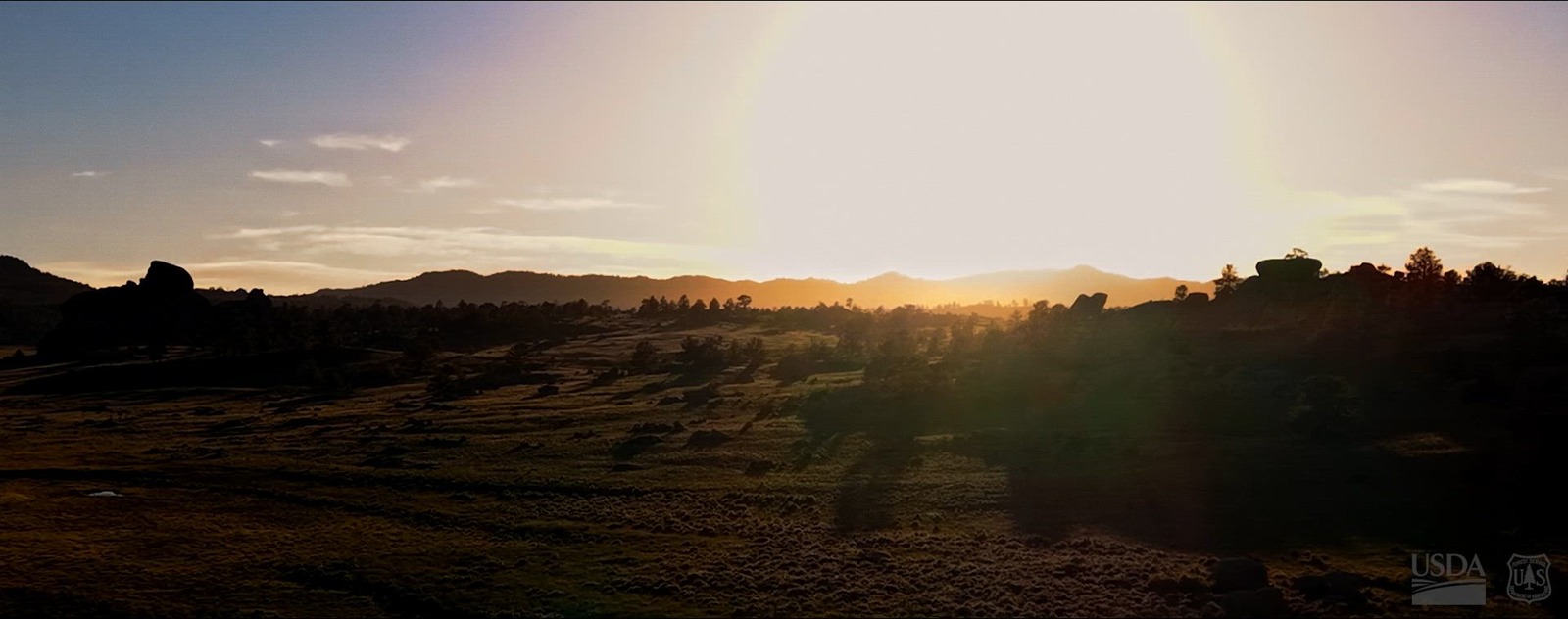
For generations, ranching families have relied on grazing permits on Pole Mountain, a multiple-use landscape between Laramie and Cheyenne, Wyoming, on the Medicine Bow-Routt National Forests & Thunder Basin National Grassland.
“The Country That Raised Us” follows 91-year-old Jim Willadsen and his wife, Iris, whose family was among the first to receive a grazing permit on Pole Mountain. Their memories of cow camps, cattle drives, military training and long days on horseback connect the landscape’s past with the work still taking place there today.
Current and former grazing permittees Mark Eisele, Guy Landers, Bill Bonham, Toby Kimzey and Nancy Bath, along with retired Forest Service national grasslands coordinator Bob Mountain, explain why grazing on public land remains important to family ranches and how grazing is managed alongside recreation, wildlife habitat, streams and wetlands.
The film shows the work behind public-land grazing, including checking water, repairing fences, monitoring vegetation, rotating pastures, moving cattle away from sensitive areas. It also explores how grazing permittees and Forest Service employees work together to adapt operations as weather, recreation and range conditions change and passing a working landscape to the next generation. (Forest Service video by Travis Weger)
Attribution: Source: DVIDS Hub — U.S. Department of Defense public-affairs media
The interactive STN application appears here when JavaScript is available. Published facts and source links above remain readable without JavaScript.